

Considering Carbon Credits? Key Questions for Montana Farmers and Ranchers
March 2, 2026
By Kelsey Larson and Kyle Froisland, MSU Graduate Student
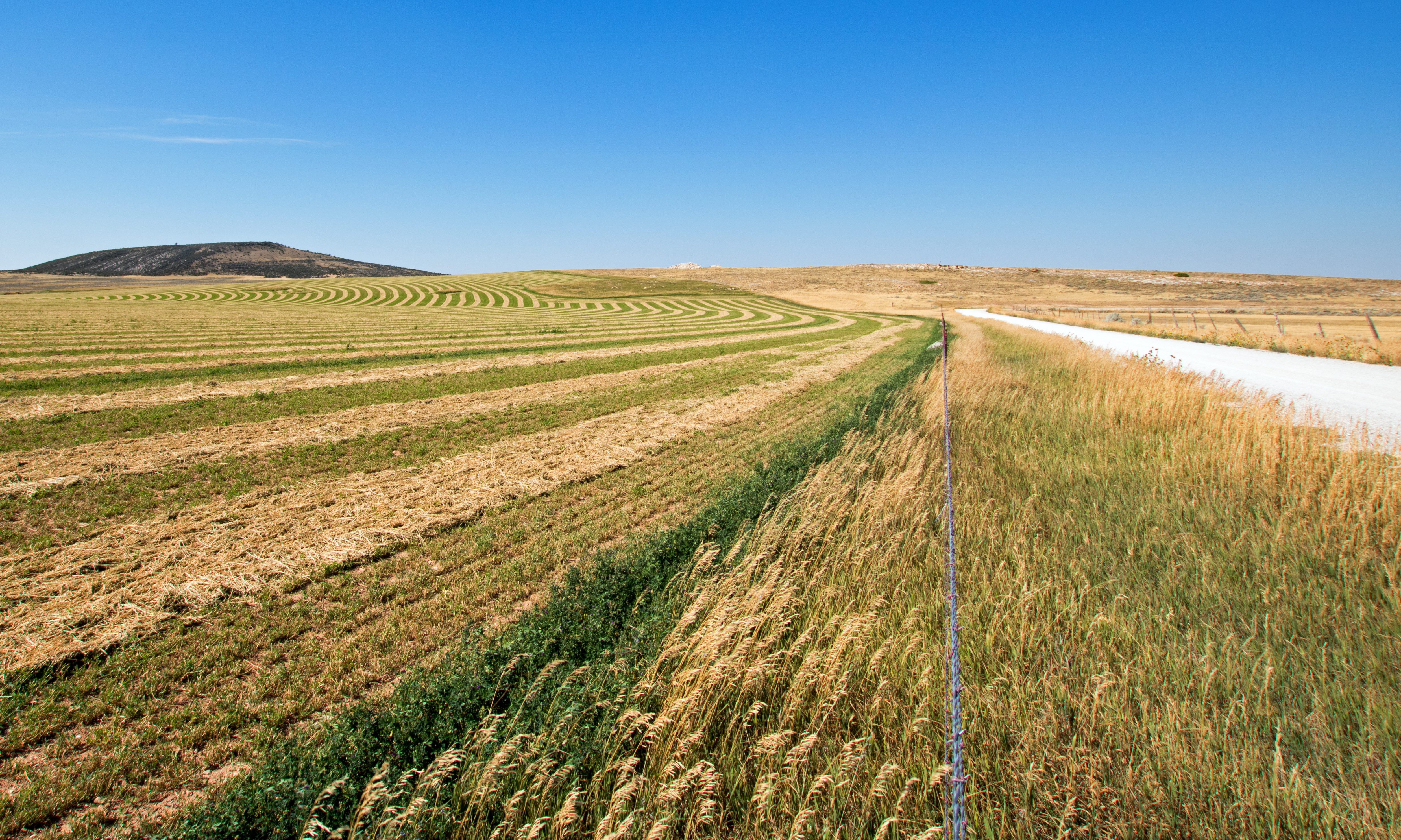
Source: https://stock.adobe.com/ HTNR
Farmers, ranchers, and foresters across Montana and the US are exploring a potential
new stream of revenue: carbon credit markets. In a carbon credit market, farmers,
ranchers, and foresters commit to conservation practices that increase carbon storage
or reduce emissions from their land. In exchange, people and organizations that want
to meet more ambitious carbon footprint goals than they can meet on their own pay
the landowners for these benefits. These contracts flow through intermediaries who
enter contracts with landowners, verify the carbon stored, and sell the credits to
buyers. These markets are expanding rapidly, with the broader U.S. carbon credit market
projected to grow from roughly $107 billion in 2022 to over $320 billion by 2030.[1]
These programs provide a way to monetize conservation practices landowners may already
be using or get paid for adopting new ones, but not every program in this new and
mostly unregulated market is equally suited to every operation. When considering
a program, it’s worth stepping back and asking a few key questions: Do I qualify?
If I do, which program best fits the economics and risk profile of my operation? If
I enroll, what obligations am I taking on? This post walks through the core issues
Montana farmers, ranchers, and foresters should consider before enrolling in a private
carbon credit program.
Eligibility: Providers typically screen applicants based on geography, acreage, and operational
characteristics. Many programs require minimum acreage thresholds, often more than
500 acres, or limit enrollment to certain regions. Most also require several years
of field-level data to establish a baseline against which carbon gains will be measured.
Different programs work with different suites of conservation practices, with cover
crops, reduced tillage,
and rotational grazing being particularly common. Some programs will not accept participants
who are currently or who have previously used the target conservation practice, or
who have enrolled in other carbon contracts or environmental programs. Before comparing
potential payments, confirm that your operation meets these requirements.
Payment structures: Programs vary widely in how much they pay, when they pay it, and how they determine
the payment amount. Broadly, payments can be divided into two groups: practice-based
and outcome-based payments. Practice-based programs typically offer flat, per-acre
payments tied to adopting specific conservation practices. These arrangements provide
relatively predictable income because compensation is based purely on whether you
used the practice you said you’d use. The tradeoff, however, is that payment rates
are often lower.
Outcome-based programs operate differently. These programs pay participants based
on their actual carbon storage as measured and verified. Many buyers consider these
credits to be higher-quality, so in strong years payments can be higher. However,
returns are more variable, influenced by weather conditions, measurement results,
and carbon credit prices. Payment timing also differs: some programs front-load a
portion of funds to support cash flow, while others distribute payments only after
multi-year verification cycles. Before enrolling, producers should have a realistic
estimate of how much carbon their soils or grazing systems are likely to store and
consider whether they prefer predictable practice-based payments or potentially higher
(but less certain) outcome-based returns.
Contract Duration: Carbon programs are contracts, and commitment length varies considerably. Some agreements
run for one to five years, while others extend for a decade or more. Longer contracts
may provide income stability, but limit management flexibility if markets or management
goals change.
The Fine Print: Programs need to monitor and verify that the contract, which requires sharing data
with these programs. You can check the privacy terms to be sure that you’re comfortable
with what they’re using the data for and how they can share it. Some programs require
use of specific digital platforms or reporting systems, which can involve subscription
fees, time spent learning new software, and ongoing data obligations. Some carbon
credit programs are tied to agricultural input companies, and may require participants
to use that company’s products. Also, most programs prohibit participating in multiple
carbon credit programs at the same time.
There is no single “best” carbon program for Montana producers—only the program that best fits your operation. The right choice depends on whether you qualify, how much uncertainty you are willing to accept, and what management changes you are prepared to implement. Factors such as contract length, flexibility, data requirements, and restrictions on participating in other environmental programs all shape the true value of participation. Carbon markets may offer new revenue opportunities, but the decision to enroll should ultimately reflect your farm or ranch’s specific goals and constraints.
[1]https://www.marketsandata.com/industry-reports/united-states-carbon-credit-market

Kelsey Larson
Assistant Professor
Kyle Froisland
MSU Graduate Student
The U.S.D.A., Montana State University and Montana State University Extension prohibit discrimination in all of their programs and activities on the basis of race, color, national origin, gender, religion, age, disability, political beliefs, sexual orientation and, marital and family status. Issued in furtherance of cooperative extension work in agriculture and home economics, acts of May 8 and June 30, 1914, in cooperation with the USDA, Cody Stone, Director of Extension, Montana State University, Bozeman, MT 59717.