


NASX360IH Native Americans and Cinema
NASX 360 (Indigenous Humanities)
Spring semester: in-person
3 credits, undergraduate level-300, Indigenous Humanities
Instructor: Dr. Anita Moore-Nall
Course Description
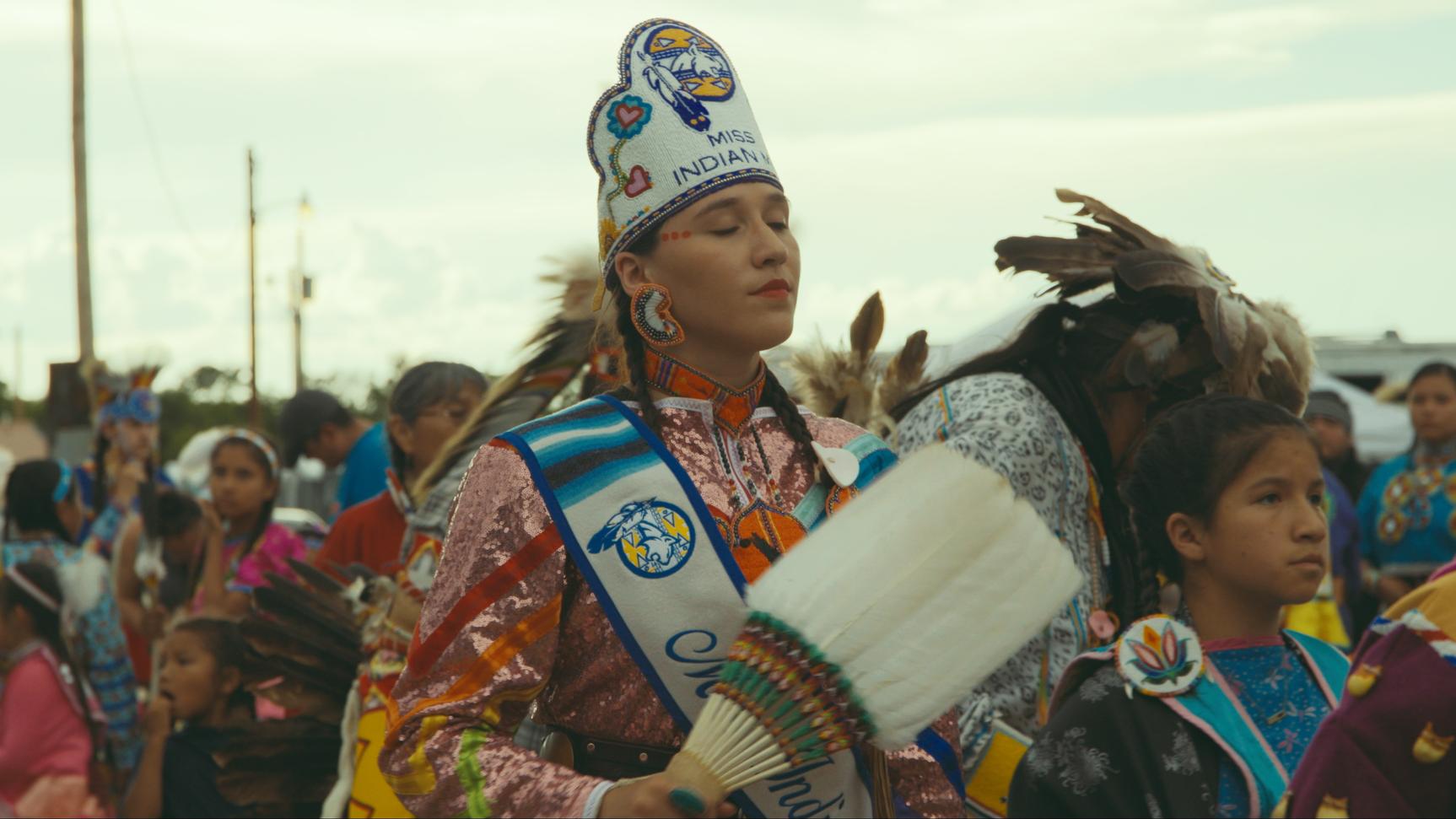
This course is an introductory survey to the study of Native American and Indigenous cinemas. For centuries, the split settler-colonial image of "Indians" - as either noble savages or bloodthirsty "others" - has constituted the dominant cultural imaginary on Indigenous peoples worldwide. In the last few decades, Indigenous media producers have gained greater access to the means of media production and distribution. Today, Native filmmakers are creating film and video like never before - and in ways that both challenge and exceed the history of settler-colonial misrepresentations. To sample this variety, this course will study the work of several filmmakers. The stage is set by considering Euroamerican simulations of "Indian" in discussing Native films and film genres. Later in the semester, students will think comparatively by examining a few Indigenous films produced outside the United States and Canada. Along the way, students will also be testing film theories and analytical methods in order to see which ones work best for evaluating Indigenous cinema. Class consists of film screenings, and open, casual discussion of initial reactions to the films. Class will also feature lectures, open discussions, student presentations, small group work, quizzes, and exams.
Readings and Film screenings in this course may include, but are not limited to:
*Resource and materials list subject to change. Check with the instructor before purchasing books!*
- It Starts with a Whisper, by Shelley Niro, 1993
- "The Story of America: A Tribalography," by Leanne Howe, 2002
- "The Occupation of Indigenous Space as 'Photography'," by Jolene Rickard
- Reel Injun, by Neil Diamond, 2009
- "History of Federal Indian Policy," by Stephen Pevar
- "Seven Essential Understanding," by Montana Office of Public Instruction
- Nanook of the North, by Robert Flaherty, 1922
- "Ideologies of (In)Visibility," by Michelle Raheja
- "Celebrating Fourth Cinema," by Barry Barclay
- The Silent Enemy, by H.P. Carver, 1930
- Powwow Highway, by Jonathan Wacks, 1989
- "Driving the Red Road," by Eric Gary Anderson
- "Twenty-Five Indigenous Project," by Linda Tuhiwai Smith
- Itam Hakim, Hopiit, by Victor Masayesva, 1984
- "The Politics of Camera," by Channette Romero, 2010
- Kanehsatake: 270 Years of Resistance, by Alanis Obomsawin, 1993
- "Dismantling the Master's House," by Jennifer Gauthier, 2010
- Spudwrench: Kahnawake Man, by Alanis Obomsawin, 1997
- LaDonna Harris: Indian 101, by Julianna Brannum, 2014
- "Native Media's Communities," by Steven Leuthold
- "Kinship: A Captivity Narrative," by Tahmahkera
- Lighting the Seventh Fire, by Sandra Sunrising Osawa, 1999
- Smoke Signals, by Chris Eyre, 2000
- Once Were Warriors, by Lee Tamahori, 1994
- Atanarjuat: The Fast Runner, by Zacharias Kunuk, 2002
- Rhymes for Young Ghouls, by Jeff Barnaby, 2014
- "Paranormal Encounters: Notes on Indigenous Horror," by Madeleine Reddon
- 4wheelwarpony, by Dustinn Craig, 2008
- Lumaajuug, by Alethea Arnaquq-Baril, 2010
- Three Thousand, by Assinijaq, 2017
- Boy, by Taika Waititi, 2010
- Two Cars, One Night, by Taika Waititi, 2004
- The Body Remembers When the World Broke Open, by Elle-Maija Tailfeathers and Kathleen Hepburn, 2019
- Beans, by Tracey Deer, 2020
Instructor
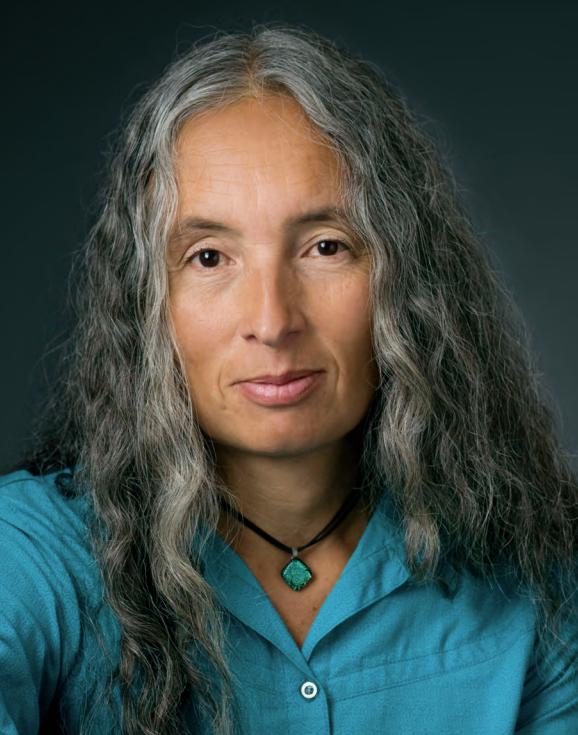 |
Anita Moore-Nall earned her Ph.D. in Earth Sciences and a B.S. in Film and Television from Montana State University. Anita is an enrolled member of the Apsáalooke (Crow) Tribe of Montana. She joined the department in the Fall of 2023 after spending five years in Alaska where she taught Environmental Health, Circumpolar Health Issues and worked with six remote Alaska Native Villages looking at health impacts related to rural landfills. Her research focuses on how the environment or place can affect people’s health. She is interested in incorporating Native Science into traditionally Western Science curriculum.
Tuition and Fees
If you are accepted into a qualified online program, see the appropriate MSU Tuition and Fee table below:
For more information, view MSU Fee Schedules.
How to Register
You must be accepted as a student to Montana State University to take this course. Learn how to apply.
Students register for courses via MSU's online registration system, MyInfo.
Registration requires a PIN number. Learn how to find your PIN.
Once you have your PIN, learn how to register through MyInfo.
For course information: Please contact nas@montana.edu