


Woodworking
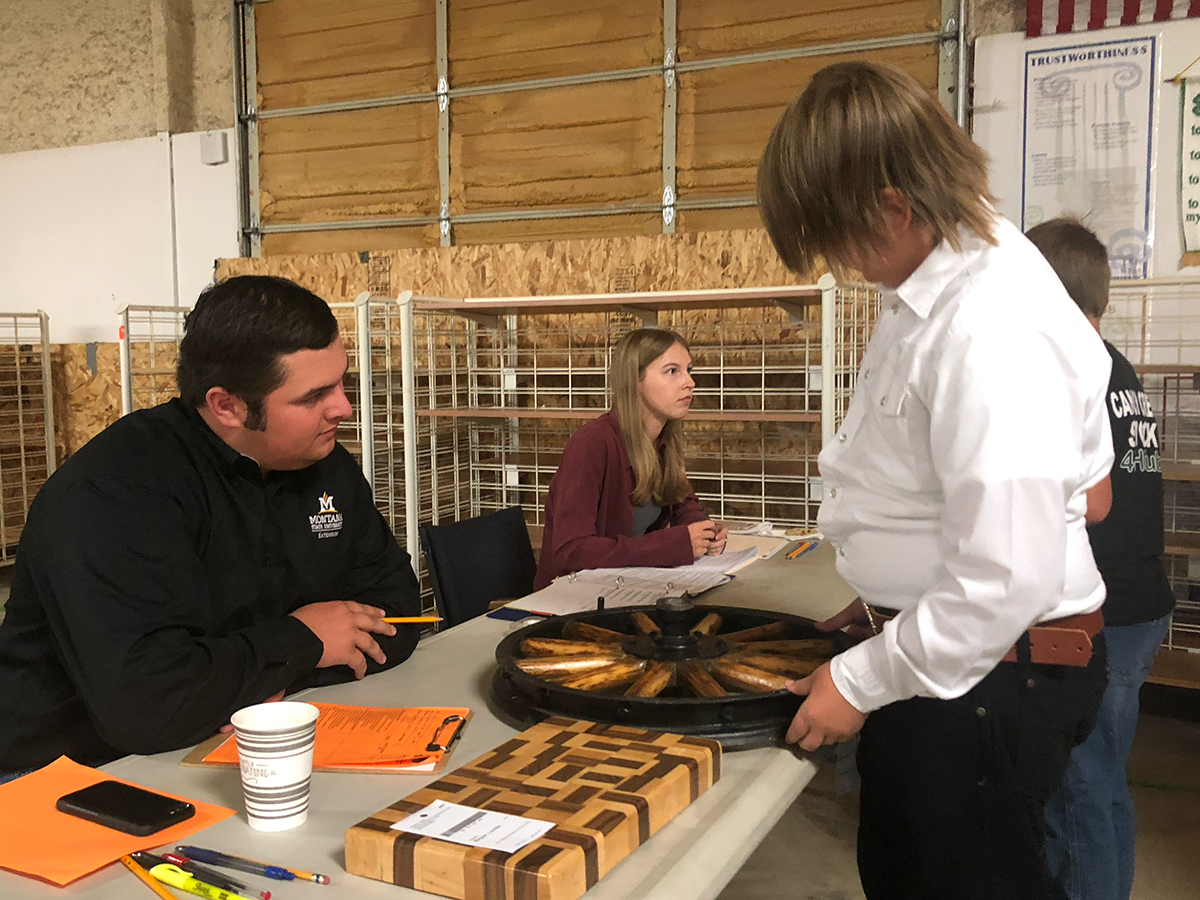
Woodworking is a perfect project choice if you like wood and enjoy using tools and building things. Can you see yourself someday building a table, wood toy or a chair? As a beginning woodworker, you can build practical and useful objects. As your skills grow, you’ll be able to make most of the objects in your house or even build a home! No matter what you make, the joy of completing a woodworking project is great. You’ll build and construct items using wood and a wide variety of woodworking tools.
It may take three years to complete a level. You must complete a minimum of seven activities and five learning experiences each year to complete this project.
Projects to learn
At level 1 of woodworking, students will learn
- how to identify woodworking tools
- woodworking safety
- to decide on appropriate projects for the year
- to measure and mark boards
- use a square
- use a portable power drill
- hand drill or brace
- use a hand saw
- identify different types of nails and screws
- make a sandpaper block
- construct a butt joint
- use a hammer safely
At level 2 of woodworking, students will learn
- build a birdhouse
- stool
- letter holder
- safety
- potential careers
- identify different woodworking tools
- select wood based on grain
- to recognize the difference between plywood, fiberboard and other types of lumber
- develop a project plan
- use a combination square
- make a miter cut
- make a curved cut using a jig saw
- use a chise,sande, and staple gun
- connect pieces of wood with glue
- select brushes for painting.
At level 3 of woodworking, students will learn
- make a boomerang, belt buckle,puzzle,and bookshelf
- use a T-bevel, enlarge scale-drawn plans
- make a dado joint
- use a powered circular saw
- radial arm saw
- use a hand plane
- table saw
- about hinges, hasps and flush plates
- the difference between various clamps
- to make a dowel joint
- to use various types of wood stains
At level 4 of woodworking, students will learn
- to use a router, jointer, portable planer and scraper,
- make mortise, tenon and dovetail joints
- to compare adhesives, bleaches and strippers
- to build a wood vehicle
- step stool or door knocker
Independent study is for any youth looking for new challenges and opportunities in 4-H. This allows a member to explore topics that have not been investigated while remaining enrolled in a 4-H project. Members enrolling in the independent study phase of a project should
- develop a detailed learning plan for their work
- identify an area of interest within the project area
- set goals and locate resources (people, publications, materials) to carry out a project plan
- determine specific experiences needed to accomplish project goals,
- set a realistic timeline for completion
- carry out the project learning plan,
- share experiences with others
- evaluate outcomes and determine what could be improved.
PROJECT REQUIREMENTS
The individualized learning plan should be approved by a parent, 4-H adult volunteer leader or 4-H agent. For assistance in developing a personal learning contract, use Design Your Own project materials or other goal-setting materials. While independent study provides flexibility and creativity, it also requires serious planning, implementation and evaluation.
Materials you'll need
M Measuring Up, BU6875
M Making the Cut, BU6876
M Nailing It Together, BU6877
L Woodworking Helper’s Guide, BU6879 Find a variety of group activities that help youth broaden their understanding of basic woodworking concepts. Each chapter contains ideas to reinforce a life skill.
Non-Animal Record Books
A Project/Financial Journal is needed for each non-animal related project. Project journals need to contain the name of the project, the year these records were kept, and a leader/parent signature. All sections of the journal need to be completed. If nothing was done in an area or section of a record sheet, the word “none” or something similar should be written.
Careers in Woodworking
If you are wanting to explore careers in woodworking, below are some of the potential routes you can take. 4-H members interested in going to college can also visit the 4-H foundation website for scholarships in their county or reservation.